Top Universities in Asia for Life Sciences & Medicine 2014
As an accompaniment to the QS University Rankings: Asia, the QS Intelligence Unit analyses responses to its global survey of academics, to identify the Asian institutions with the strongest reputations in each subject area.
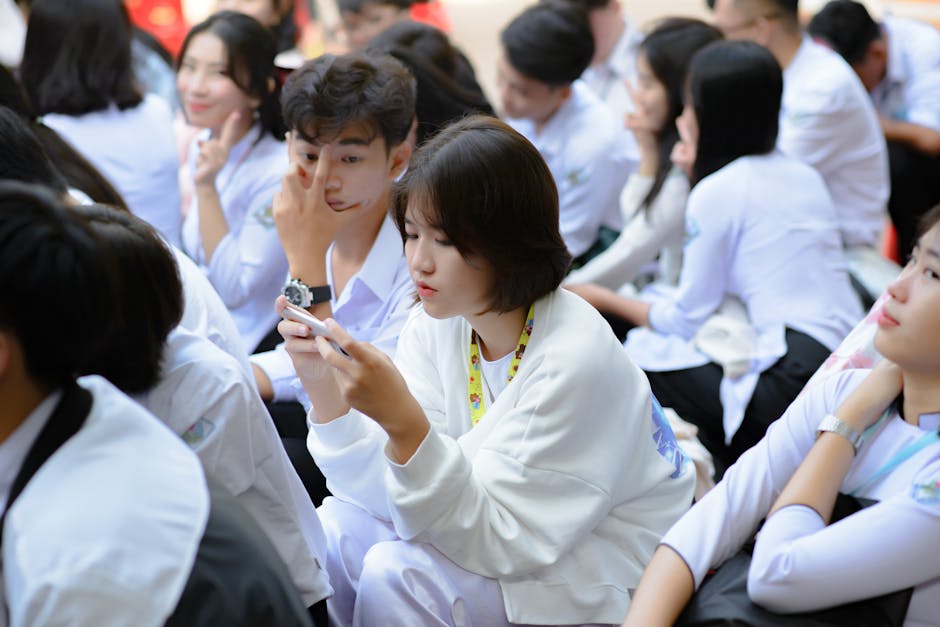
As an accompaniment to the QS University Rankings: Asia, the QS Intelligence Unit analyses responses to its global survey of academics, to identify the Asian institutions with the strongest reputations in each subject area. Below are this year’s top universities in Asia for life sciences and medicine, as rated by the international academic community, with a top 10 followed by the full top 50.
*1. University of Tokyo
Nigh unbeatable when it comes to reputation, the University of Tokyo is academics’ Asian number one in four of the five subject categories considered – beaten to the top spot only in social sciences and management by the National University of Singapore. In the 2014 QS World University Rankings by Subject, which provides a more detailed ranking of the world’s top universities for specific disciplines, the University of Tokyo’s strongest life sciences subject is pharmacy, for which it’s ranked 12= in the world. It also comes 13th in the world for agriculture and forestry, 18th for biological science and 20th for medicine.
2. National University of Singapore (NUS)
The National University of Singapore (NUS) made headlines last month when it climbed to the top of the overall QS University Rankings: Asia, marking the first time the ranking had been headed by a university outside of Hong Kong. NUS has an extremely strong reputation across the subject spectrum, and appears at the top of the tables in many of the 30 disciplines covered by the QS Rankings by Subject. Within the life sciences, its strongest ranking is for pharmacy, for which it shares 12th position alongside the University of Tokyo. It’s also 17th for biological sciences, 21= for medicine and 25= for psychology.
3. Kyoto University
Reflecting the strong reputation of Japanese universities in the life sciences field, Kyoto University follows close behind Tokyo as the country’s second-rated institution in this area. A closer analysis of Kyoto University’s life sciences strengths, based on the QS Rankings by Subject, shows that it’s currently ranked 13= for biological sciences, 24th for pharmacy, 25th for agriculture and 35th for medicine. In the overall QS University Rankings: Asia, the University of Kyoto is currently in 12th place, two positions behind the University of Tokyo and one above fellow Japanese entrant Osaka University.
4. University of Hong Kong (HKU)
Hong Kong’s leading representative in this field is also its top entry in the overall QS University Rankings: Asia, where the University of Hong Kong (HKU) is currently in third place. HKU holds a strong reputation across all five subject areas assessed, and again, has a strong overall representation in the Rankings by Subject. Considering the life sciences disciplines, HKU claims its strongest placing in the medicine ranking, where it’s 24=. It ranks just one place lower for psychology, and is also within the global top 50 for both pharmacy and biological sciences.
5. Peking University
China’s Peking University is likewise very well reputed across every subject category, and places 8th overall in the 2014 Asia ranking. For closer insights into its life sciences strengths, the Rankings by Subject place Peking University at 37th in the world for biological sciences, 38th for pharmacy and 48= for psychology. Overall, this leading Chinese institution boasts one of the widest reaching reputations among top universities in Asia; it’s rated third in the region by both academics and employers.
6. Seoul National University (SNU)
South Korea’s highest rated university for life sciences and medicine is Seoul National University (SNU), currently fourth in the overall QS University Rankings: Asia. It’s South Korea’s highest rated by academics for most subject areas, with the exception of engineering and technology, where KAIST - Korea Advanced Institute of Science and Technology boasts the stronger reputation. In life sciences disciplines covered by the QS Rankings by Subject, SNU is ranked 29= in the world for pharmacy, and places within the global top 100 for medicine, biological sciences and agriculture.
7. National Taiwan University (NTU)
Taiwan’s National Taiwan University (NTU) is another of the top universities in Asia with a strong academic reputation across all subject areas, though slightly lower scores in the other indicators mean it comes out at 21st in the overall Asia ranking. Within the life sciences, NTU’s strongest subject area is medicine, for which it’s currently ranked 43rd in the world. It’s also in the top 100 for pharmacy, biological sciences and agriculture.
8. Osaka University
The third Japanese institution to be rated within the 10 top universities in Asia for life sciences is Osaka University, which places 13th in the overall Asia ranking. As well as placing within the world’s leading 100 for both pharmacy and medicine, it’s also currently ranked 29th in the world for biological sciences, according to the 2014 QS World University Rankings by Subject.
9. Tsinghua University
China’s second entry – both here and in the overall Asia ranking, where it occupies 14th place – is Tsinghua University, which boasts one of the strongest reputations among universities in Asia. It’s rated fifth in the region by academics, and one place higher by employers. Prospective life sciences students will be interested to know it’s ranked within the world’s top 100 for biological sciences, and the top 150 for both medicine and pharmacy.
10. Chinese University of Hong Kong (CUHK)
The Chinese University of Hong Kong (CUHK) is currently sixth overall in the Asia ranking, and rated within the region’s top 20 for all five subject areas considered. In the QS World University Rankings by Subject, CUHK’s strongest life sciences positions are for psychology (41st in the world) and medicine (49th), and it’s also within the world’s top 100 for biological sciences.
Top 50 universities in Asia for life sciences & medicine, 2014
| 1 | The University of Tokyo | Japan |
| --- | --- | --- |
| 2 | National University of Singapore (NUS) | Singapore |
| 3 | Kyoto University | Japan |
| 4 | University of Hong Kong (HKU) | Hong Kong |
| 5 | Peking University | China |
| 6 | Seoul National University (SNU) | South Korea |
| 7 | National Taiwan University (NTU) | Taiwan |
| 8 | Osaka University | Japan |
| 9 | Tsinghua University | China |
| 10 | The Chinese University of Hong Kong (CUHK) | Hong Kong |
| 11 | Fudan University | China |
| 12 | The Hong Kong University of Science and Technology (HKUST) | Hong Kong |
| 13 | Taipei Medical University | Taiwan |
| 14 | Mahidol University | Thailand |
| 15 | KAIST - Korea Advanced Institute of Science and Technology | South Korea |
| 16 | Yonsei University | South Korea |
| 17 | Shanghai Jiao Tong University | China |
| 18 | Nanyang Technological University (NTU) | Singapore |
| 19 | Chulalongkorn University | Thailand |
| 20 | Tohoku University | Japan |
| 21 | Tokyo Medical and Dental University | Japan |
| 22 | Kyushu University | Japan |
| 23 | Nagoya University | Japan |
| 24 | Hokkaido University | Japan |
| 25 | Sungkyunkwan University | South Korea |
| 26 | University of Science and Technology of China | China |
| 27 | Pohang University of Science and Technology (POSTECH) | South Korea |
| 28 | Korea University | South Korea |
| 29 | Universiti Malaya (UM) | Malaysia |
| 30 | Zhejiang University | China |
| 31 | Keio University | Japan |
| 32 | Indian Institute of Science | India |
| 33 | Tokyo Institute of Technology | Japan |
| 34 | Universiti Kebangsaan Malaysia (UKM) | Malaysia |
| 35 | Universiti Sains Malaysia (USM) | Malaysia |
| 36 | Beijing University of Chinese Medicine | China |
| 37 | National Tsing Hua University | Taiwan |
| 38 | Nanjing University | China |
| 39 | Kyung Hee University | South Korea |
| 40 | National Yang Ming University | Taiwan |
| 41 | University of Indonesia | Indonesia |
| 42 | University of the Philippines | Philippines |
| 43 | University of Tsukuba | Japan |
| 44 | Bandung Institute of Technology (ITB) | Indonesia |
| 45 | Hanyang University | South Korea |
| 46 | Indian Institute of Technology Bombay (IITB) | India |
| 47 | National Cheng Kung University | Taiwan |
| 48 | Universiti Putra Malaysia (UPM) | Malaysia |
| 49 | Beijing Institute of Technology | China |
| 50 | University of Delhi | India |
About the QS University Rankings: Asia
Published annually since 2009, the QS University Rankings: Asia ranks the top 300 universities in Asia. The ranking is based on nine indicators: academic reputation, employer reputation, faculty/student ratio, research papers per faculty member, citations per paper, international diversity of faculty, international diversity of students, inbound student exchange and outbound student exchange. The top universities in Asia for life sciences and medicine, listed above, are identified based on analysis of the academic reputation survey.
Related Articles
QS Best Student Cities 2025: Which cities are new to this year's ranking?
Jun 18, 2024
QS Best Student Cities 2024: Which cities are new to this year's ranking?
Jul 19, 2023
QS Best Student Cities 2023: Which cities are new to our ranking?
Jun 28, 2022
QS 世界大学排名:美国——东海岸 vs 西海岸
Jun 28, 2022